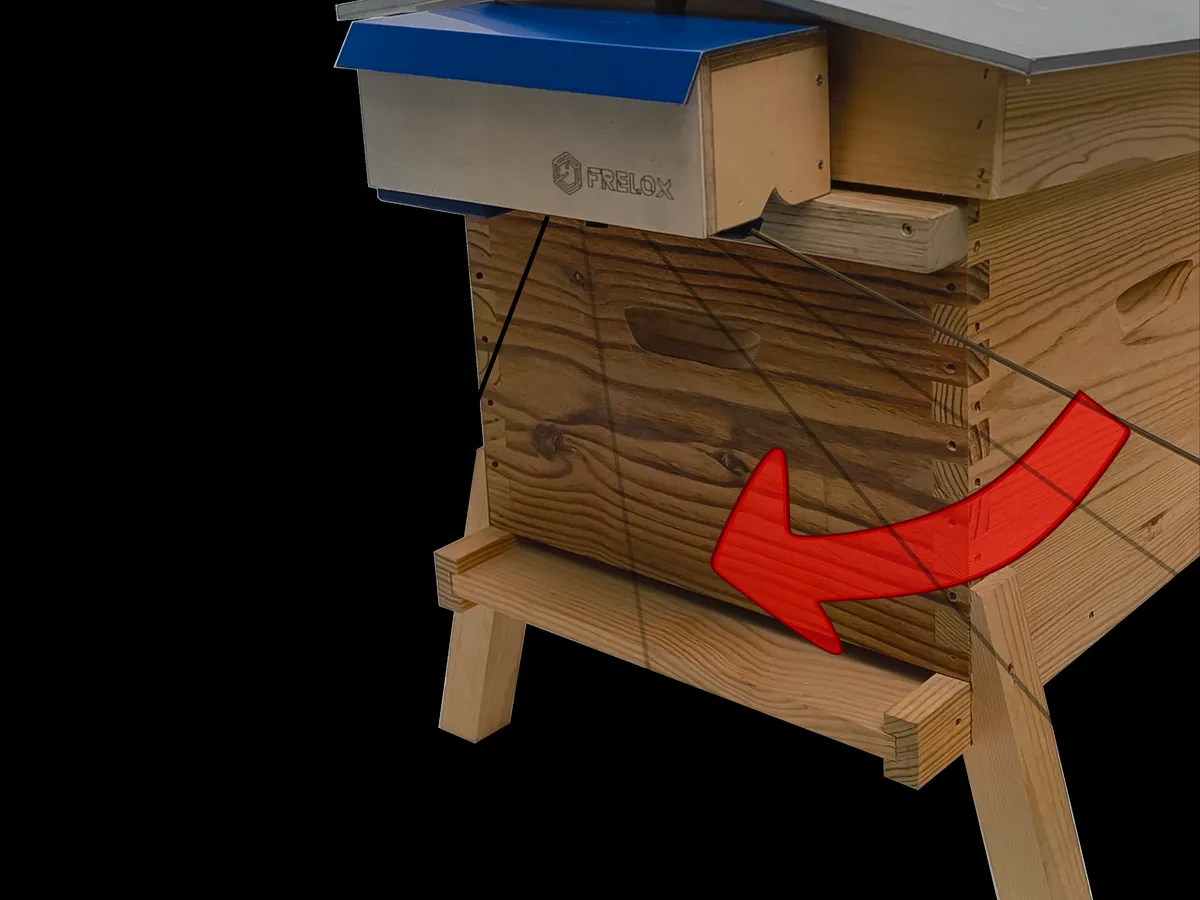
A measured result
About 9 in 10 hornets hunting in front of the hive are struck, with a 3-second reset. Measured on four units of the latest version, installed at three sites, in August–September 2025.
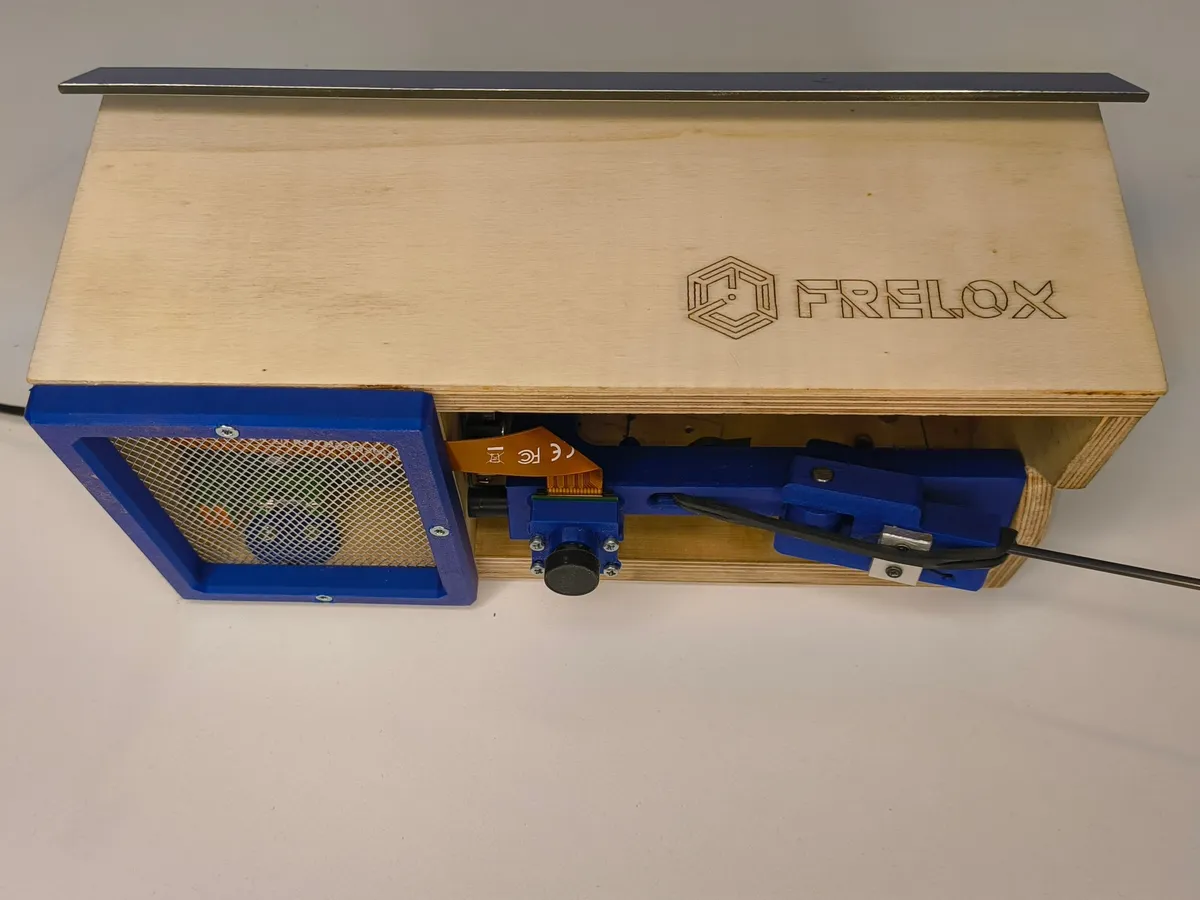
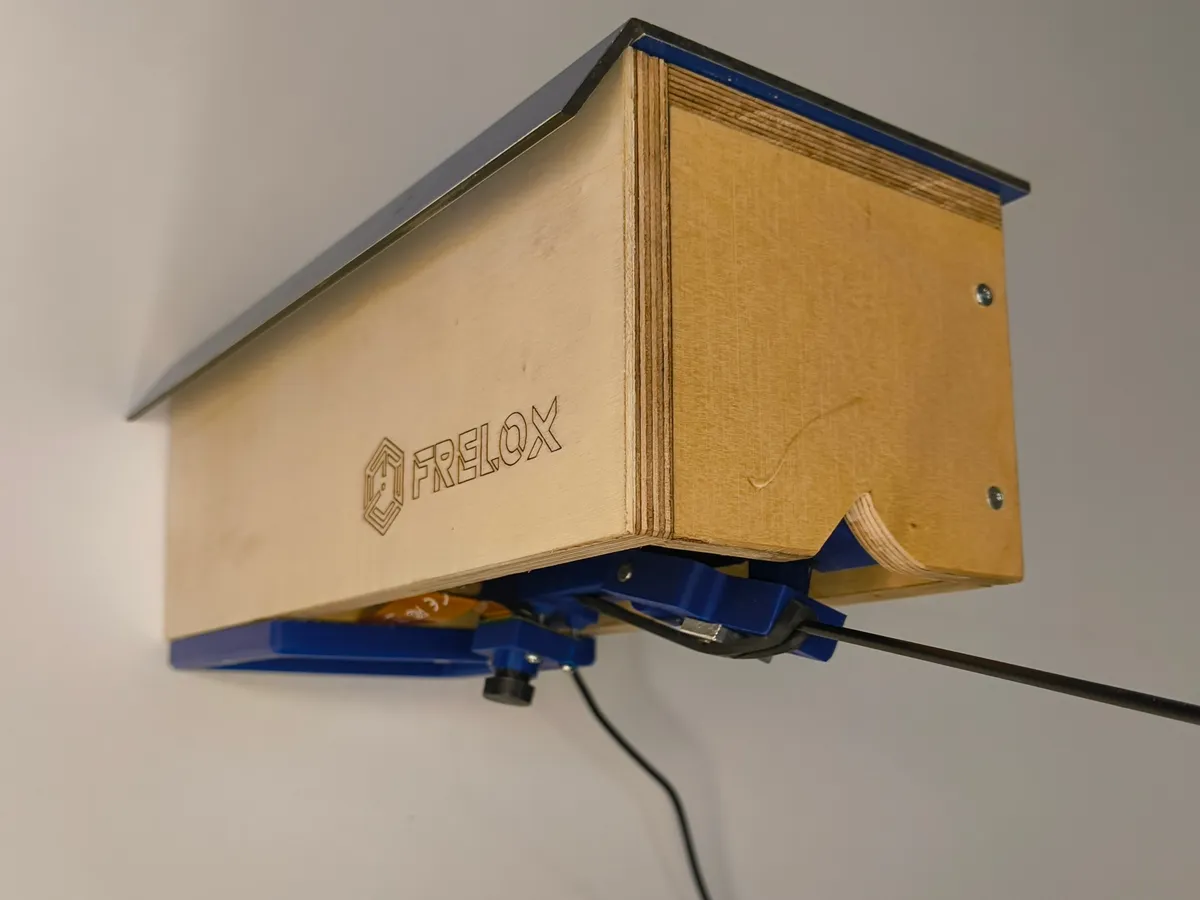
A unit mounted on the hive that spots Asian hornets at the entrance, tracks them and strikes them in flight, with no chemicals. I designed and built it from A to Z: mechanics, electronics and programming.
A camera watches the hive entrance at all times. An image-recognition model that I trained myself picks out the Asian hornet among other insects.
Motors then aim a rod at the hornet and trigger it at the right moment.
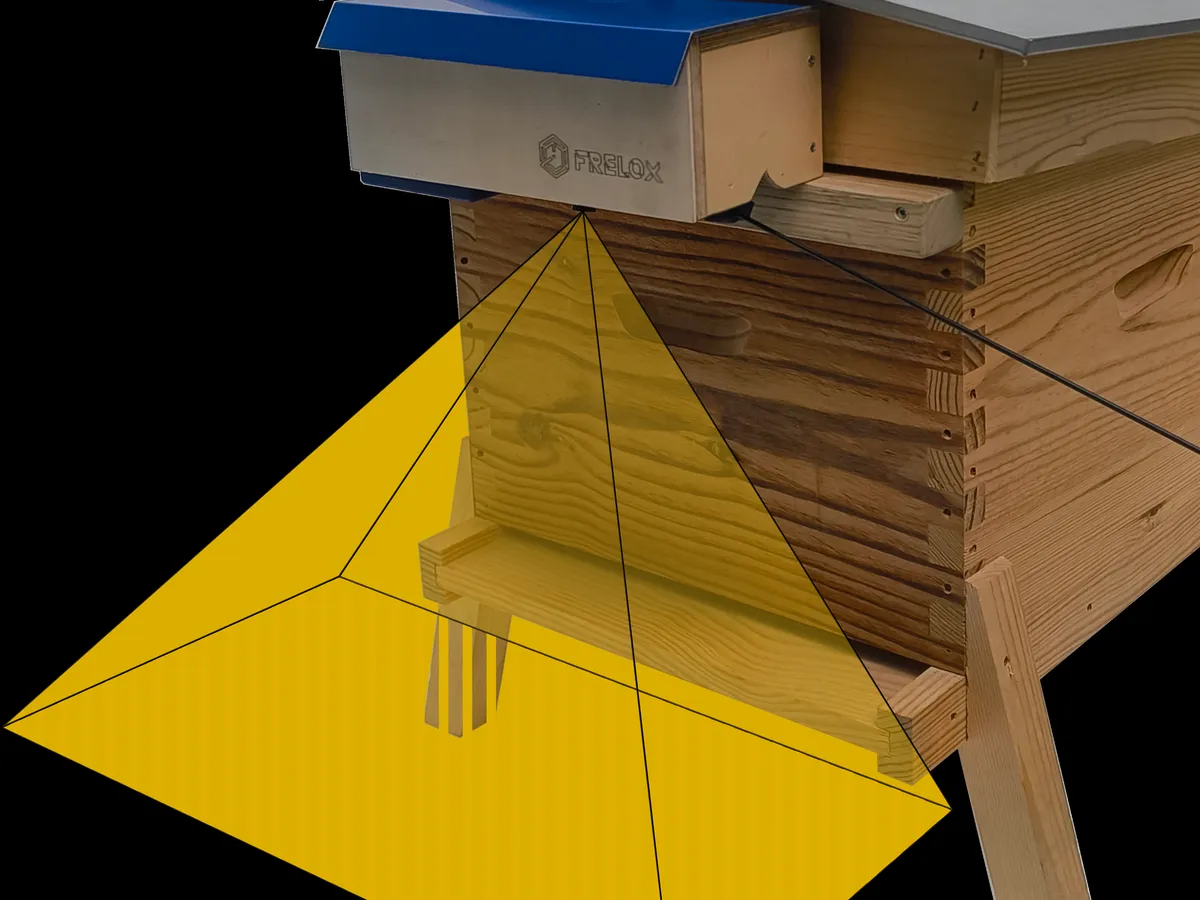
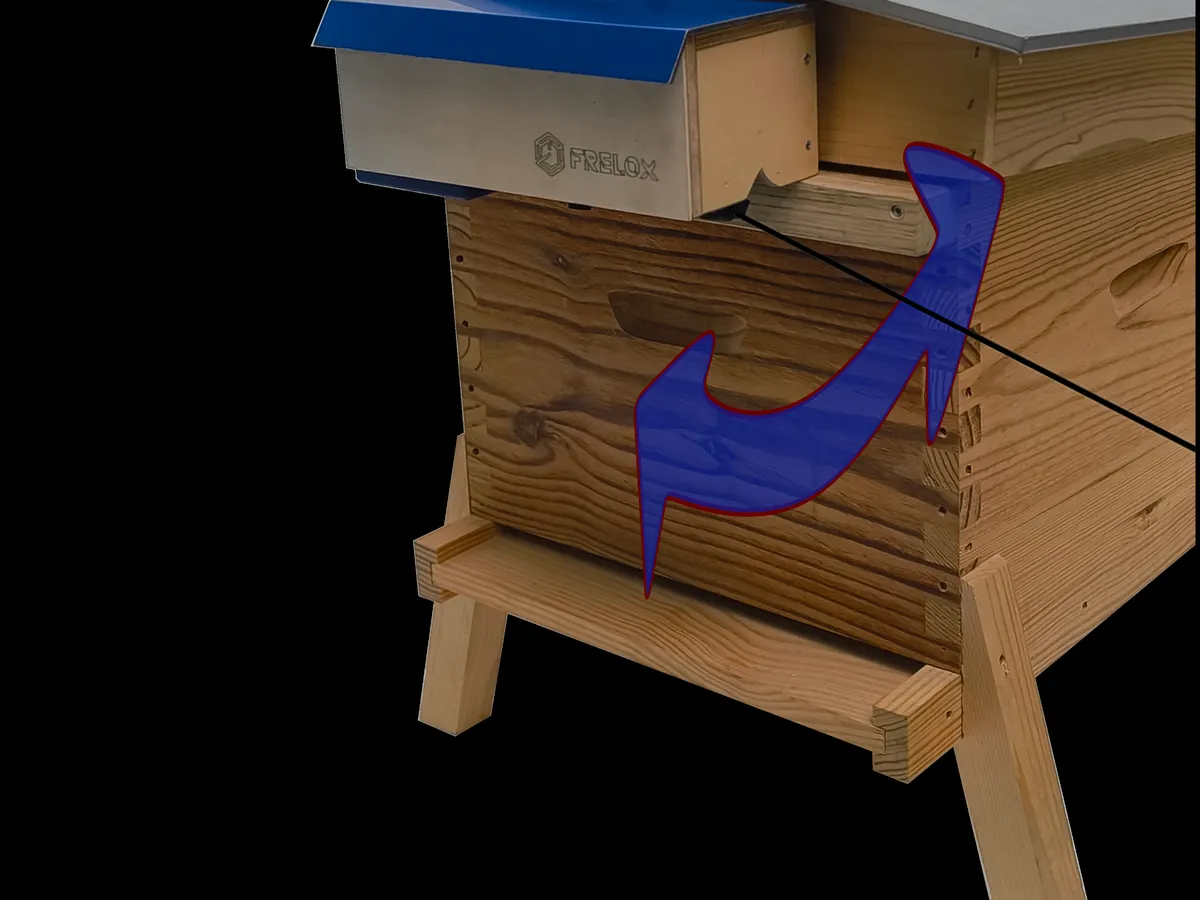
About 9 in 10 hornets hunting in front of the hive are struck, with a 3-second reset. Measured on four units of the latest version, installed at three sites, in August–September 2025.
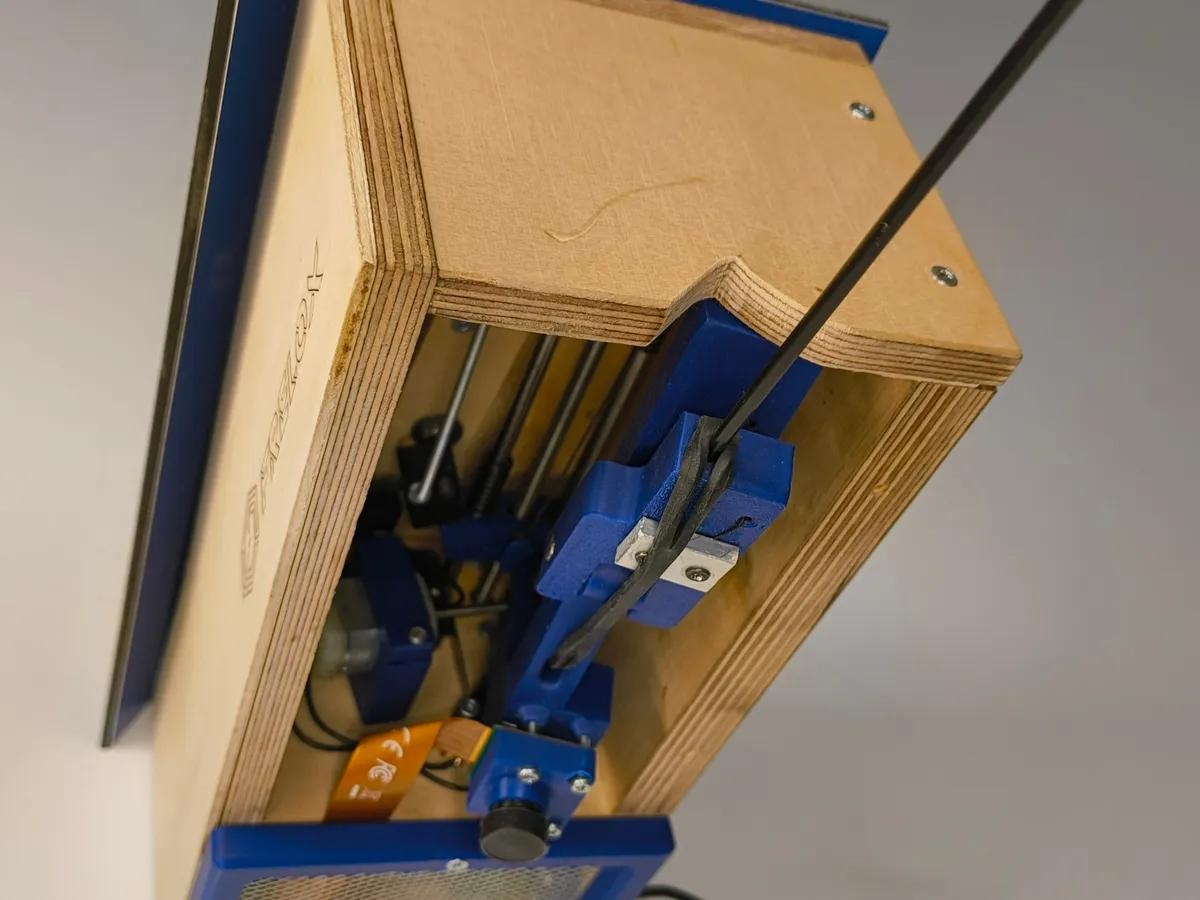
Every part and the overall assembly are modelled in FreeCAD, across several versions, until the mechanism is fast and reliable.
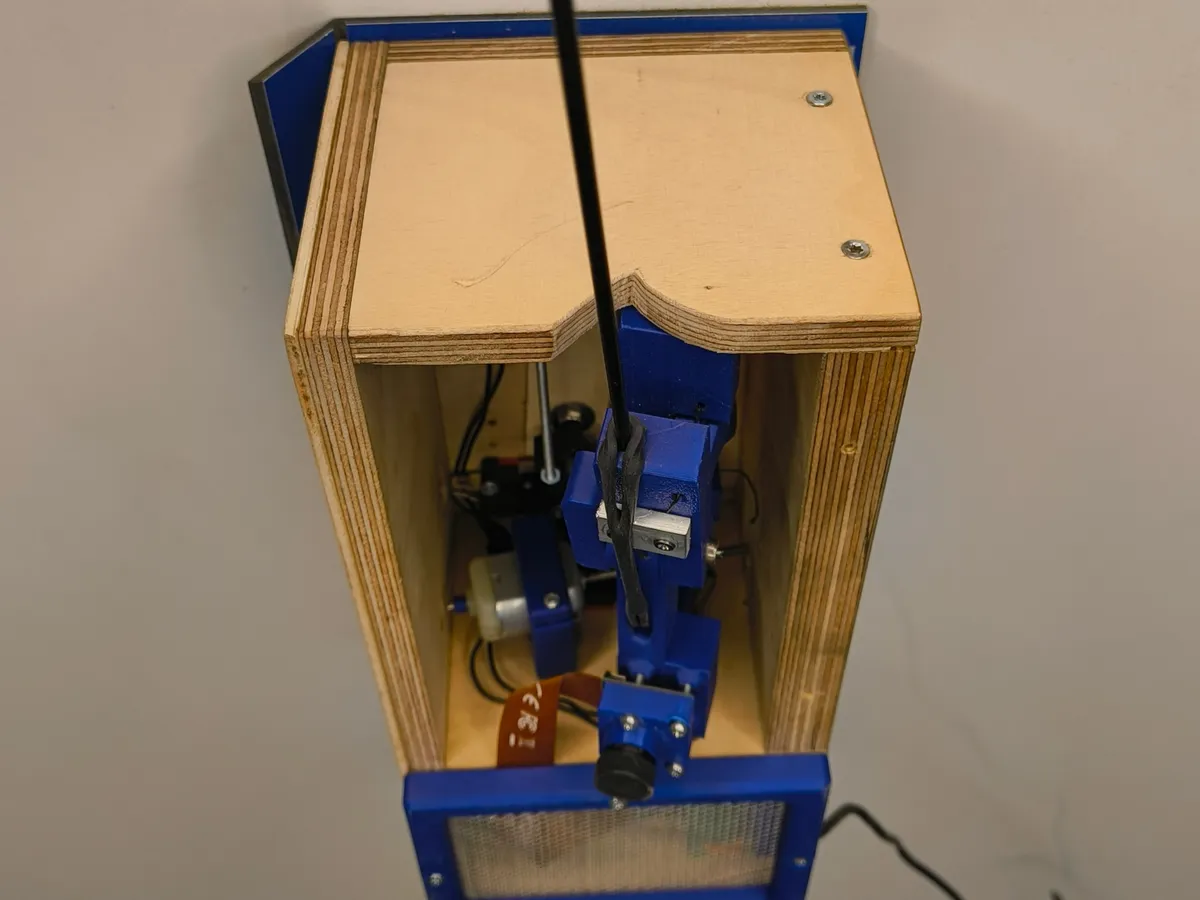
Machining, welding, 3D printing and moulds for recycled-plastic parts, with reused components.
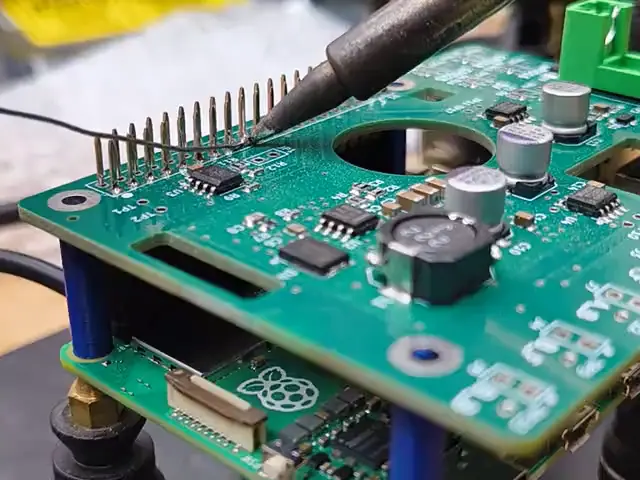
Board designed with an electronics engineer I hired for the purpose; components assembled and soldered in-house.
Image recognition and motor control in Python and OpenCV, with models I trained myself. Another version, in C++, runs on salvaged smartphones instead of Raspberry Pi boards.
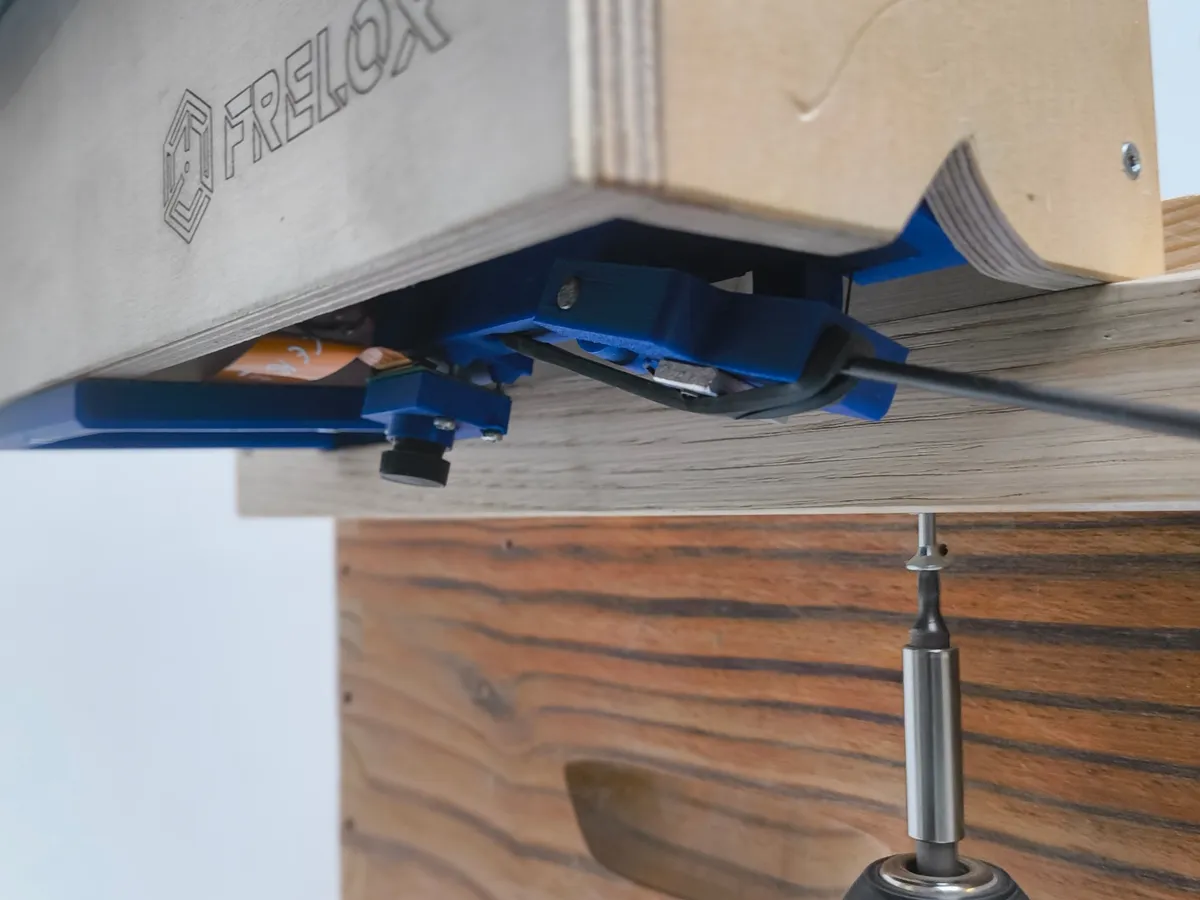
Complete development, hiring and managing a specialist, four units built and tested, up to the online launch.
The unit mounts on the front of the hive with a few screws and one connection.
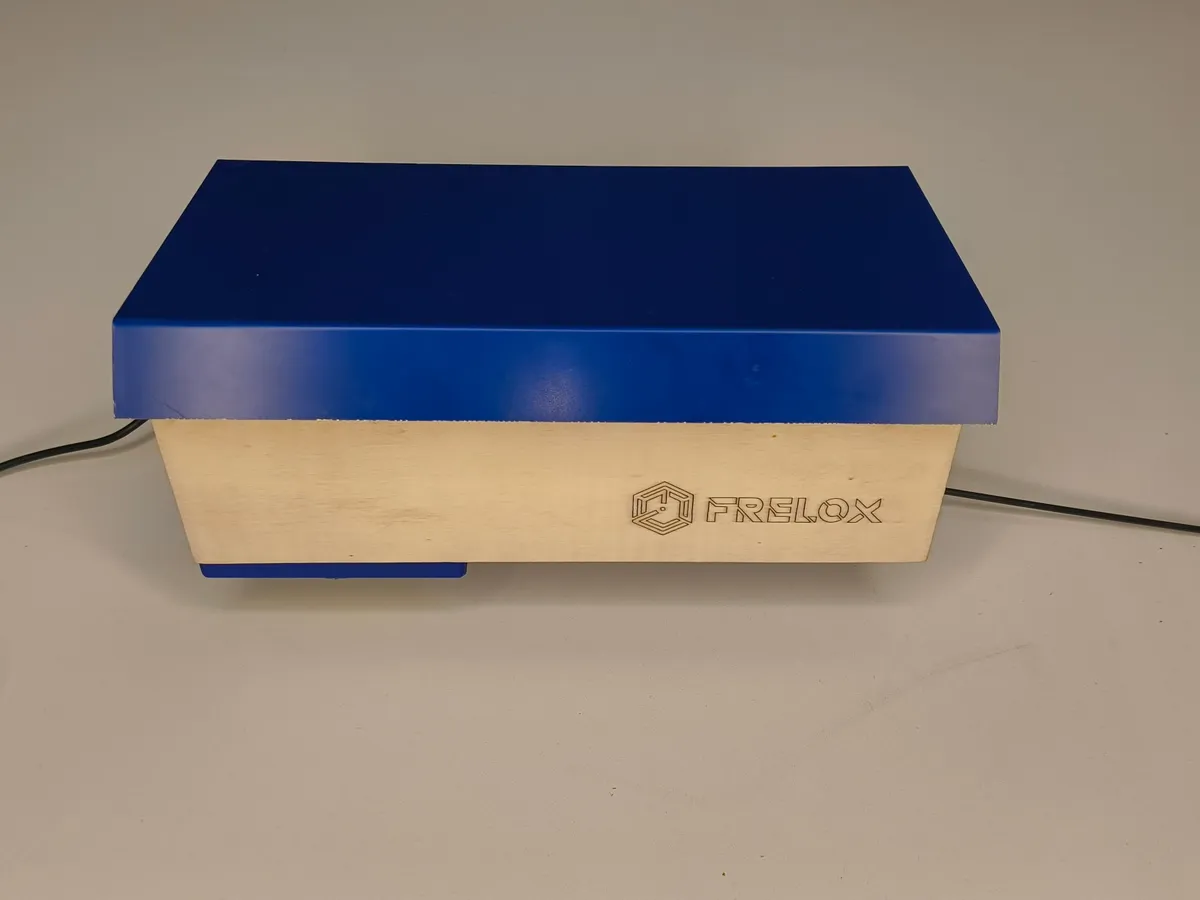
Enable JavaScript to display the contact details.
Workshop in Ivry-sur-Seine (Val-de-Marne), near Paris